in the global internet environment, the relationship between the geographical location of the server and the ip address often raises questions among users. this phenomenon is even more confusing when we find that some japanese servers have ip addresses that appear to be american. this article will analyze this issue from multiple angles to help everyone understand the technical principles behind it and its impact.
the ip address is a unique identifier for every device on the internet. it specifies the location of the device on the network. based on the rules for assigning ip addresses, the geographic location of a device can often be inferred. however, ip addresses do not always correspond to actual physical locations, which sets the stage for the phenomenon we will explore next.
japanese servers usually use japanese local ip addresses, and these addresses are managed and allocated by relevant agencies. however, some japanese servers may use u.s. ip addresses, often due to an unclear relationship between the server's actual physical location and its ip address. specifically, this may be related to factors such as the server's hosting provider and how the ip address is purchased and allocated.
many businesses choose to host their servers in multiple data centers around the world to increase access speed and stability. this has led to some japanese companies may choose to host their servers in data centers in the united states, so although the server is located in japan, the ip address is displayed as the united states. this practice helps improve the website's international accessibility.
in the internet, ip addresses are not permanent, and many companies choose to lease or transfer ip addresses. that is, some japanese companies may rent ip addresses from service providers in the united states, causing the japanese server's ip address to appear as american. this situation is particularly common in cloud computing and data center services, and companies often choose this approach in order to save costs and resources.
a content delivery network (cdn) is a technology that speeds up content delivery through a decentralized network of servers. in order to improve the loading speed of websites, japanese companies may use cdn services, and the nodes of these services are often distributed around the world, even in the united states. therefore, even though the user is accessing japanese content, the ip address may appear as american due to the cdn, causing confusion.
in some cases, legal and policy factors may also cause japanese server ip addresses to appear as american. for example, in order to comply with international regulations or circumvent local restrictions, some japanese companies may choose to set up their servers in the united states and use american ip addresses. while such a choice can solve some compliance issues, it can also lead to misunderstandings when users visit.
to confirm the true location of a server, users can use some online tools to query the geographic location of an ip address. these tools can provide information about the location of ip addresses and help users understand the actual location of the server. however, it is important to note that the accuracy of these tools can be affected by a variety of factors, so use caution when using them.
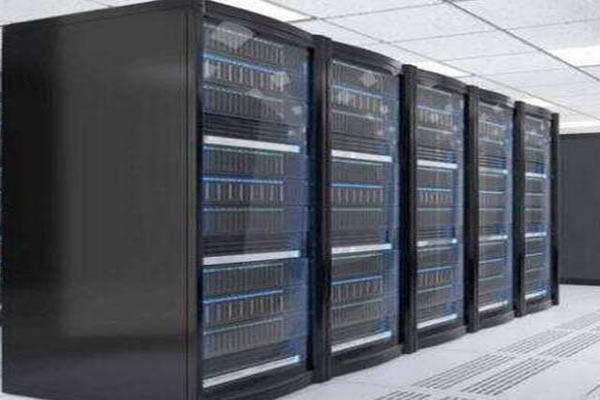
for enterprises, it is very important to choose the appropriate server location and ip address, because this directly affects the user's access speed and experience. for users, knowing the true location of the server can help them judge access speed and data security. therefore, when enterprises select servers and configure ip addresses, they need to consider multiple factors to achieve the best results.
as technology continues to develop, the relationship between servers and ip addresses continues to evolve. in the future, with the rise of new technologies such as cloud computing and edge computing, the display of the server's geographical location and ip address will become more complex. therefore, understanding these changes will help enterprises and users better adapt to changes in the internet environment.
to sum up, the phenomenon that the ip address of a japanese server is displayed as the united states is caused by a variety of factors, including server hosting, ip address rental, the impact of cdn technology, and legal policies. enterprises should consider these factors when selecting servers and configuring ip addresses to ensure the best user experience. at the same time, users should remain vigilant when accessing and try to use professional tools to verify the true location of the server to ensure their own data security.
- Latest articles
- Comparison of Vietnamese VPS hosting providers with a practical comparison including prices, after-sales service, and SLA terms
- How are Alibaba Cloud’s servers in Singapore? A practical guide to auto-scaling and high-availability architectures
- Popular tags
-

how to use japanese native ip subscription to post-subscription configuration and permission management full process instructions
professional explanation on how to use japanese native ip subscription, covering post-subscription configuration, client and routing settings, dns and permission management, log auditing and security suggestions, suitable for reference by operations and technical personnel. -
The first experience of Japanese dual-line cn2 is sharing and usage experience
Share the first experience and experience of Japan's dual-line CN2, including detailed analysis of network speed, stability and service quality. -
what are the advantages of japanese native ip and how to choose a suitable vps?
this article explores the advantages of japanese native ip and how to choose a suitable vps, providing users with professional advice.